How Long Should You Rest Between Workouts?
Cela dépend du muscle, le volume et votre expérience. L'application s'occupe du calcul.
Quel type d'athlète êtes-vous ?
Pas seulement un suivi d'entraînement. Une communauté d'entraînement.
Workout With Me est votre appli d'entraînement tout-en-un : trouvez des partenaires et laissez S.H.A.R.P planifier chaque séance selon votre récupération.
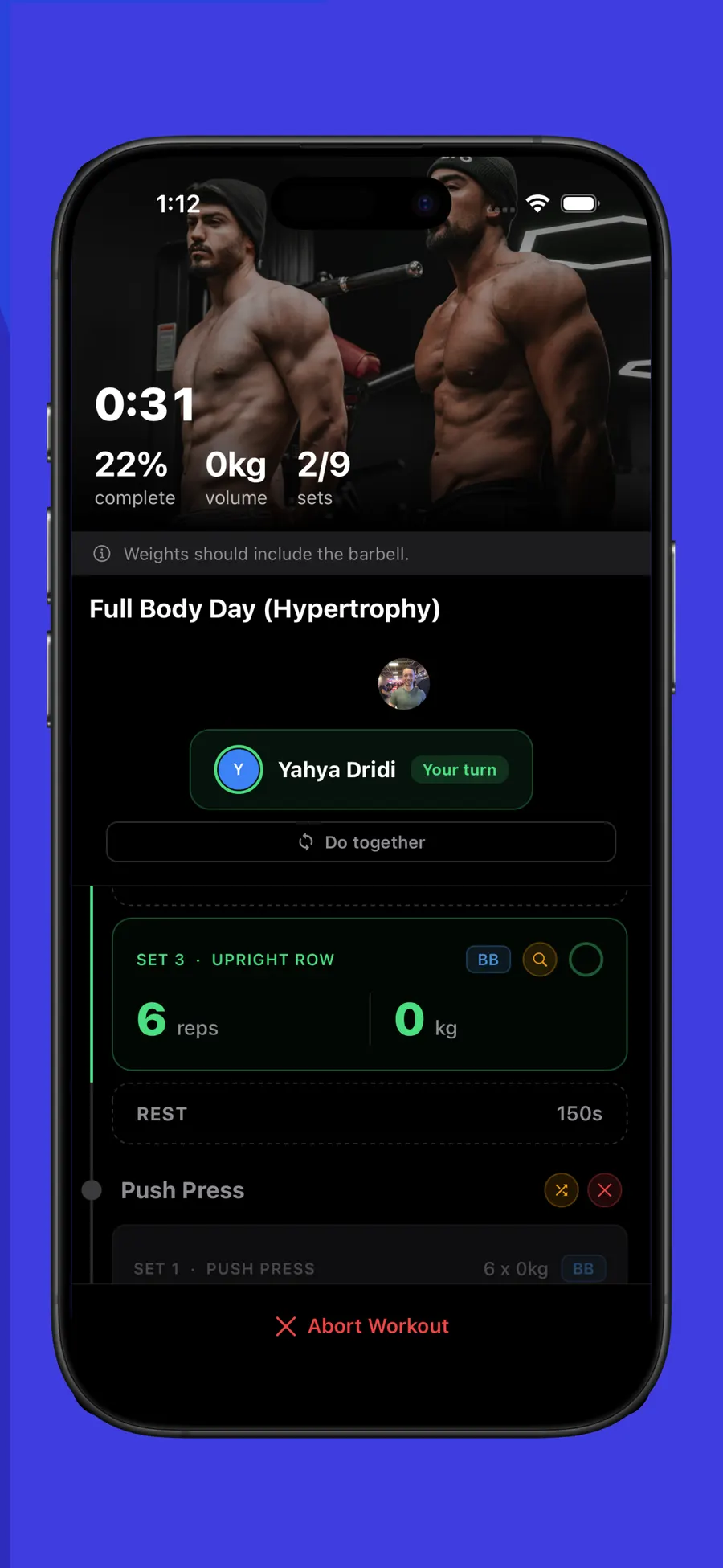
- Suivi des entraînements
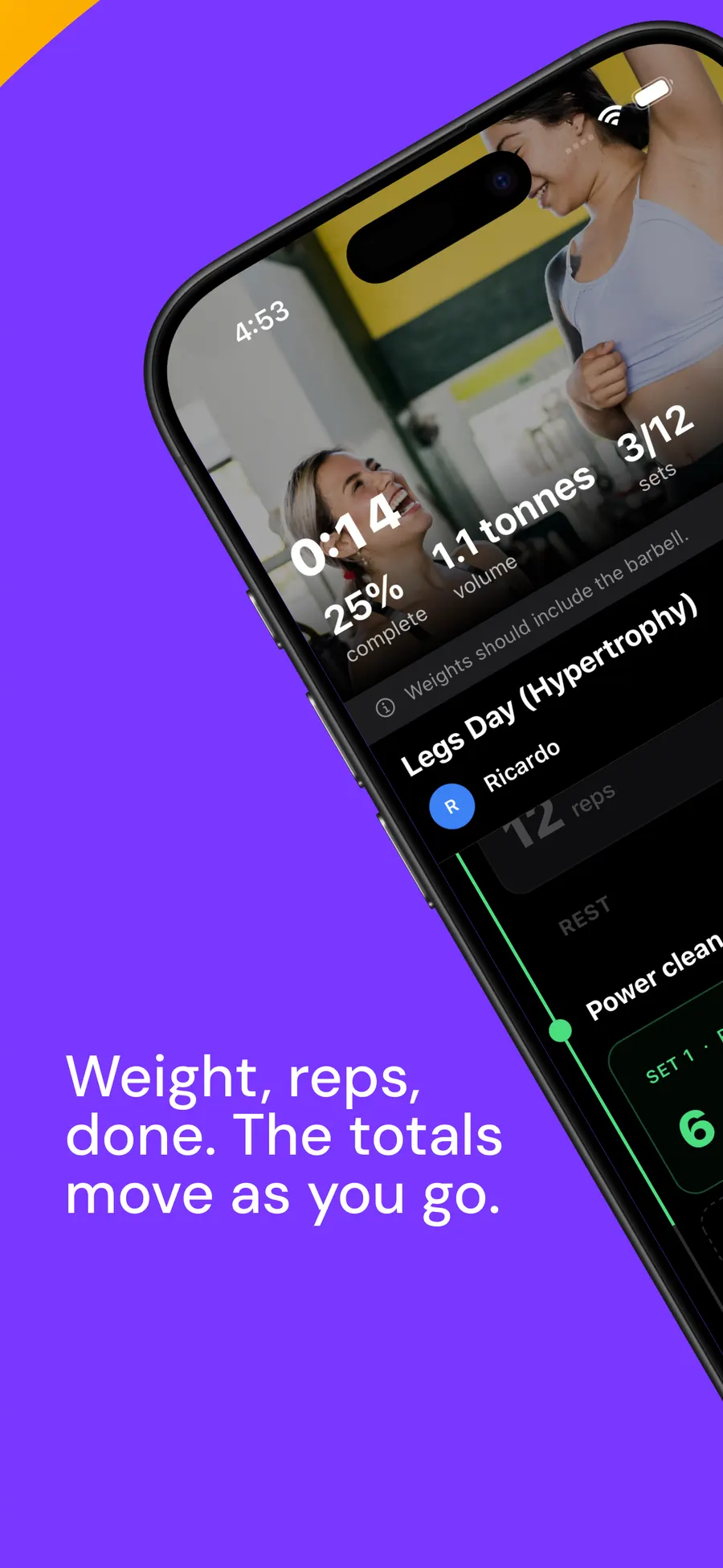
- Saisie des séries, répétitions et charges
- Bibliothèque d'exercices
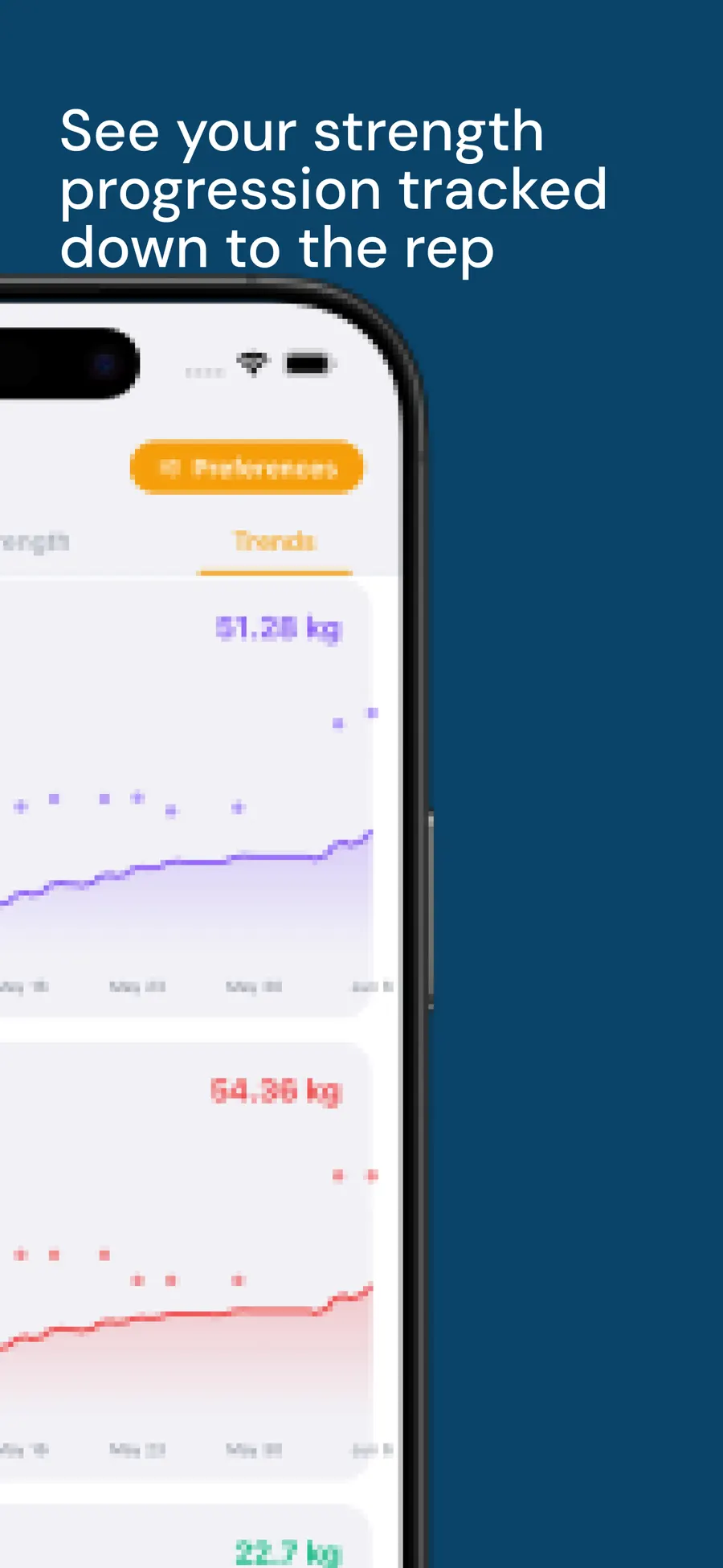
- Graphiques de volume et d'historique
- Minuteurs de repos
- Badges de records personnels
- Estimation des calories
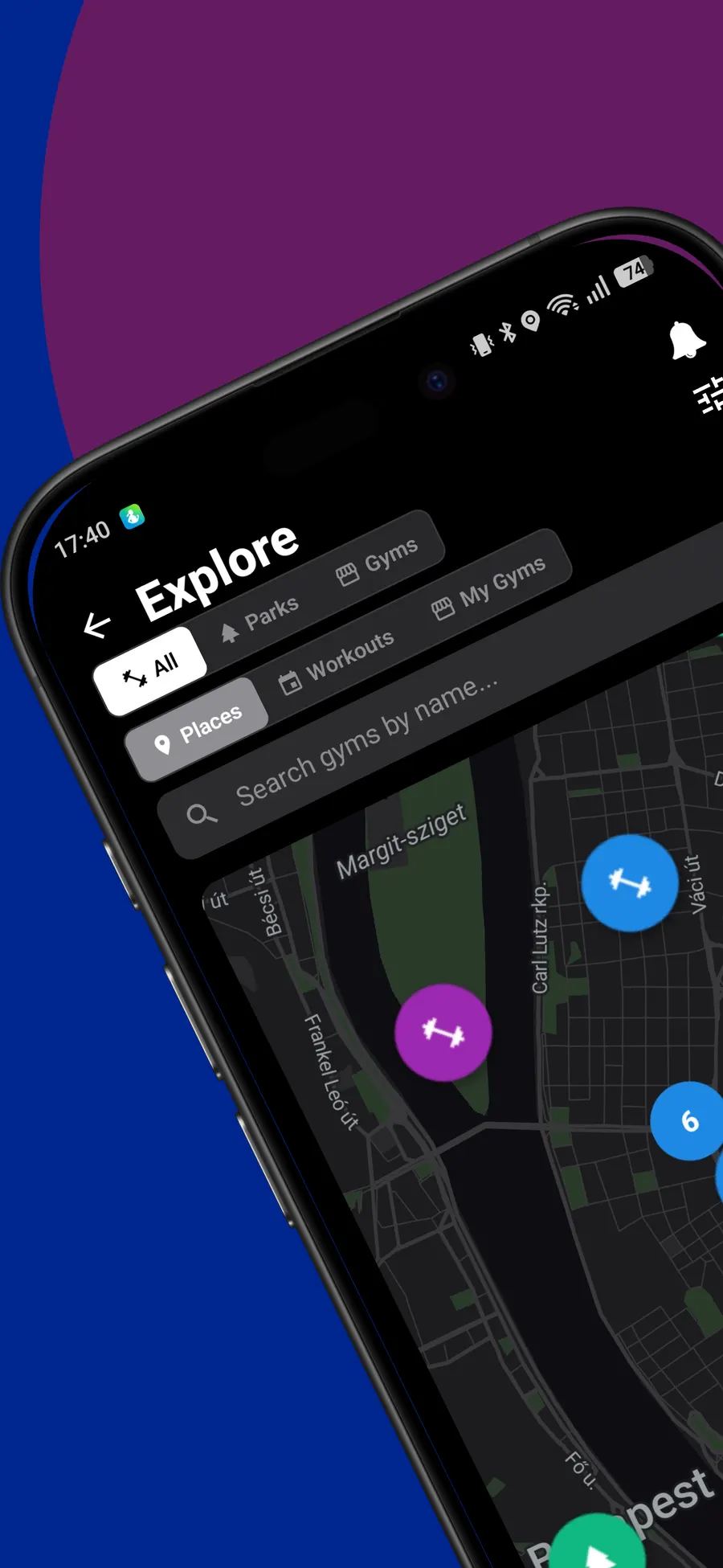
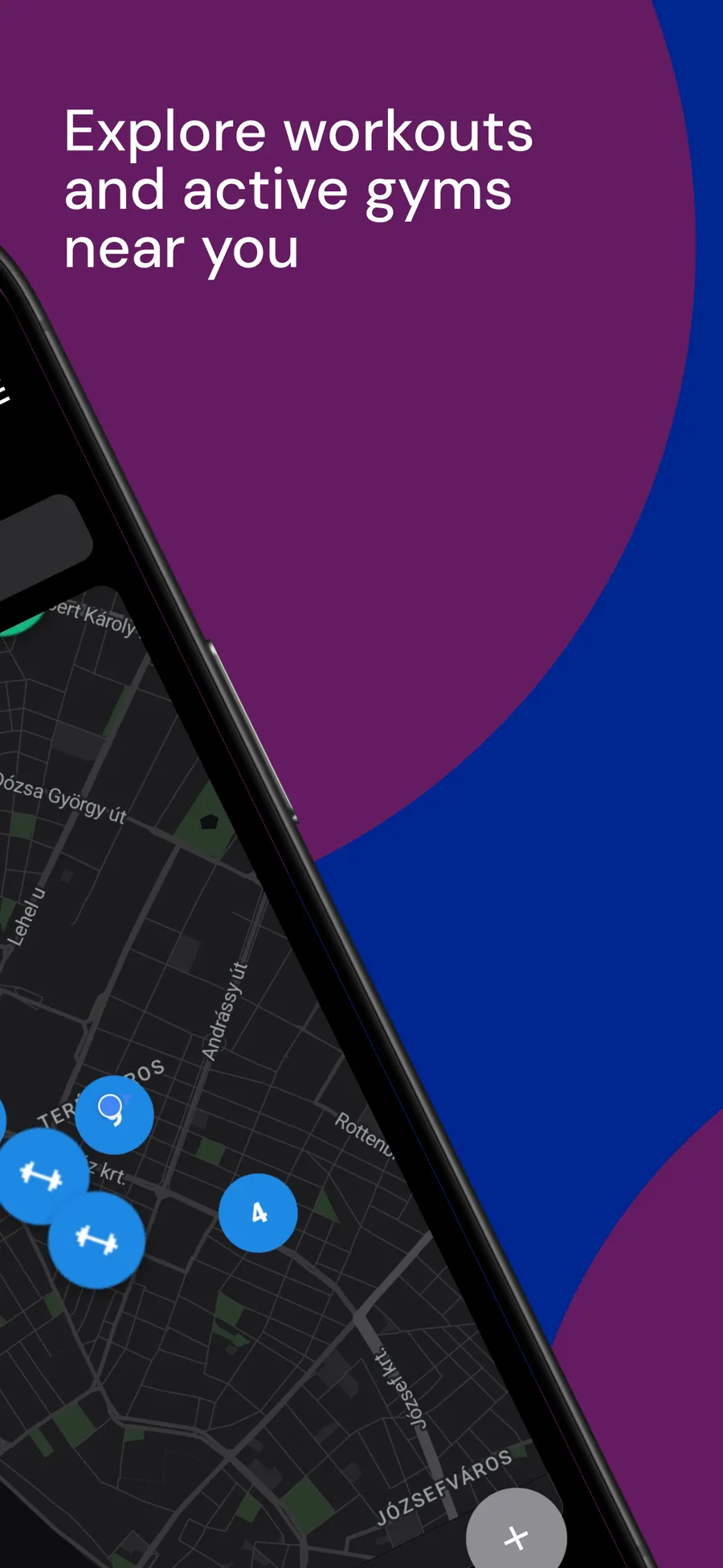
- Passionnés de musculation et de calisthénie près de chez toi
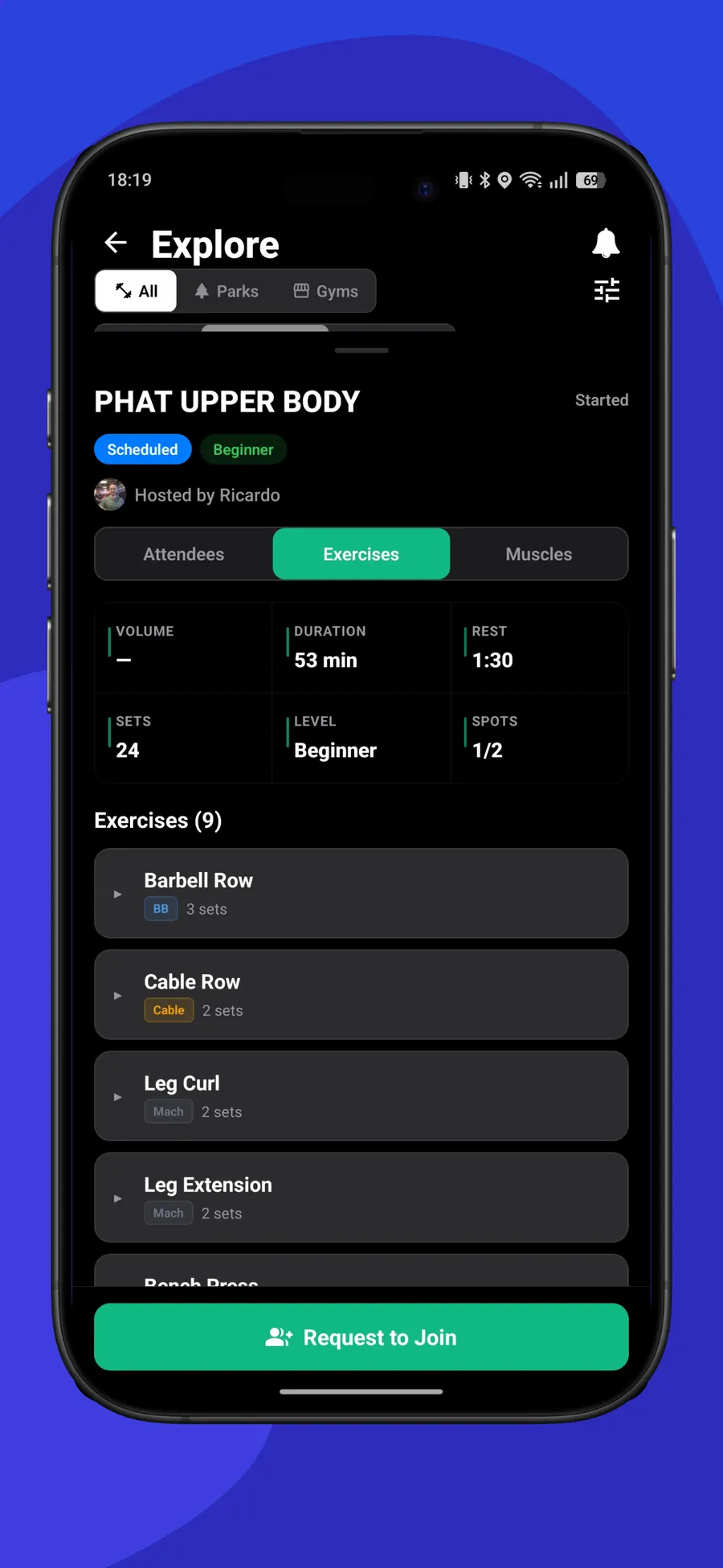
- Rejoins ou organise une séance en un clic
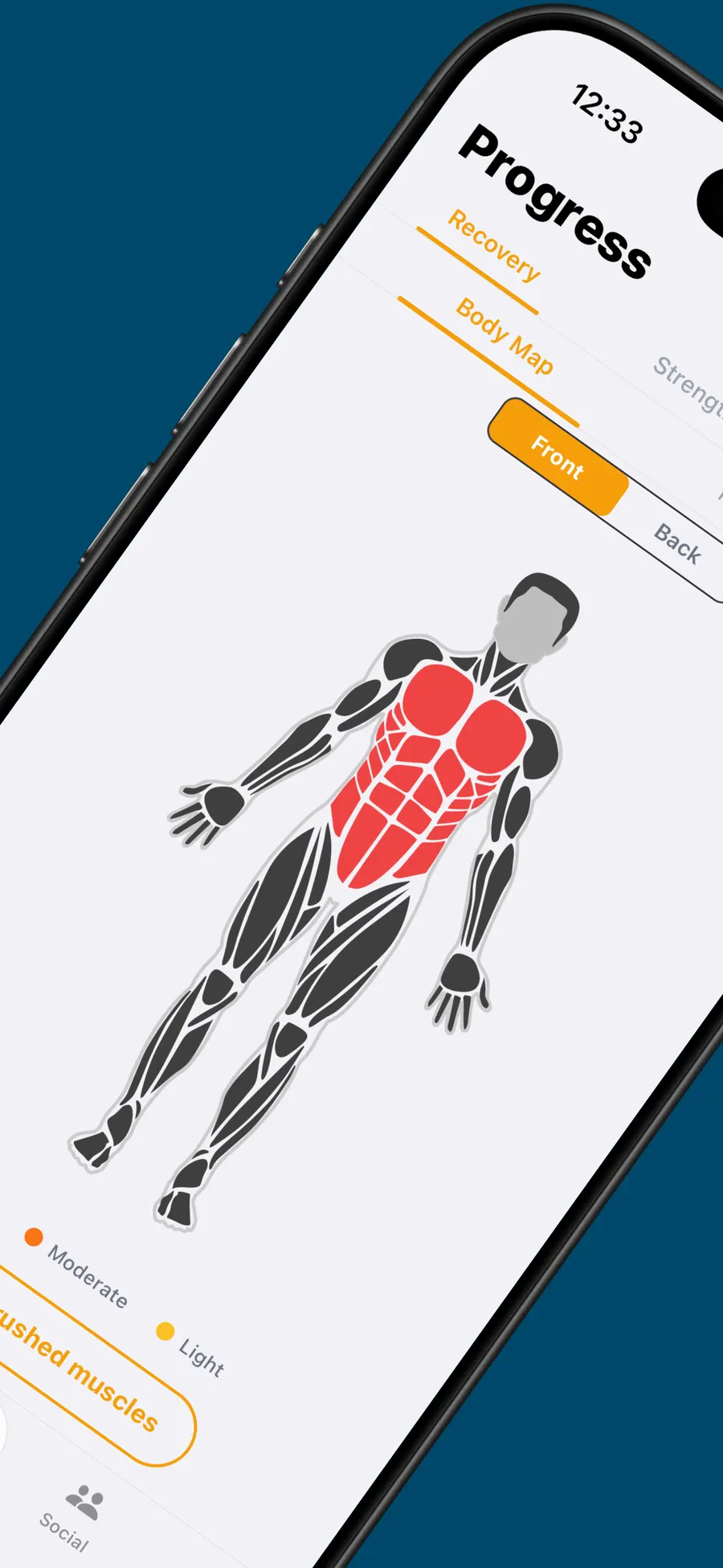
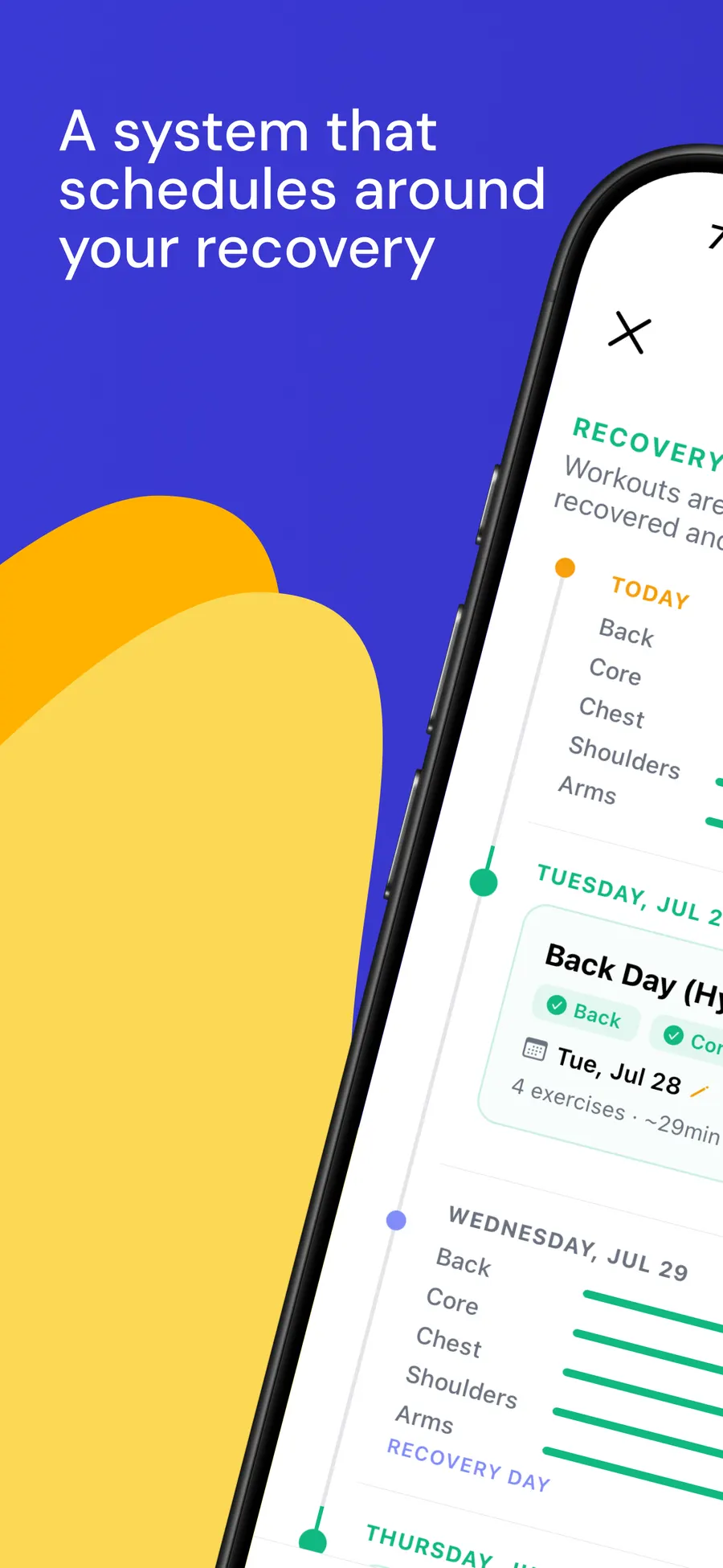
- Entraînement basé sur la récup pour 19 muscles
- Un moteur premium scientifique qui planifie ta prochaine séance
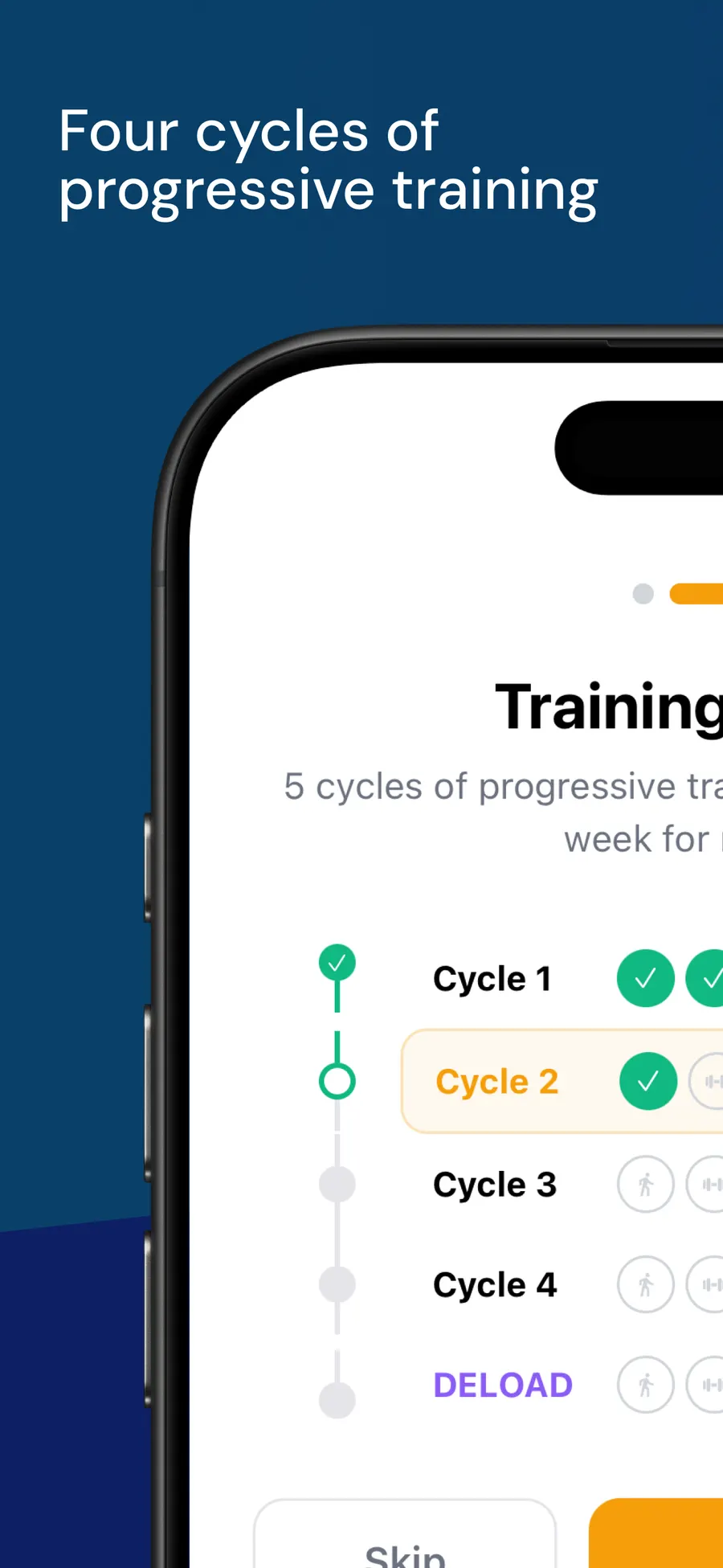
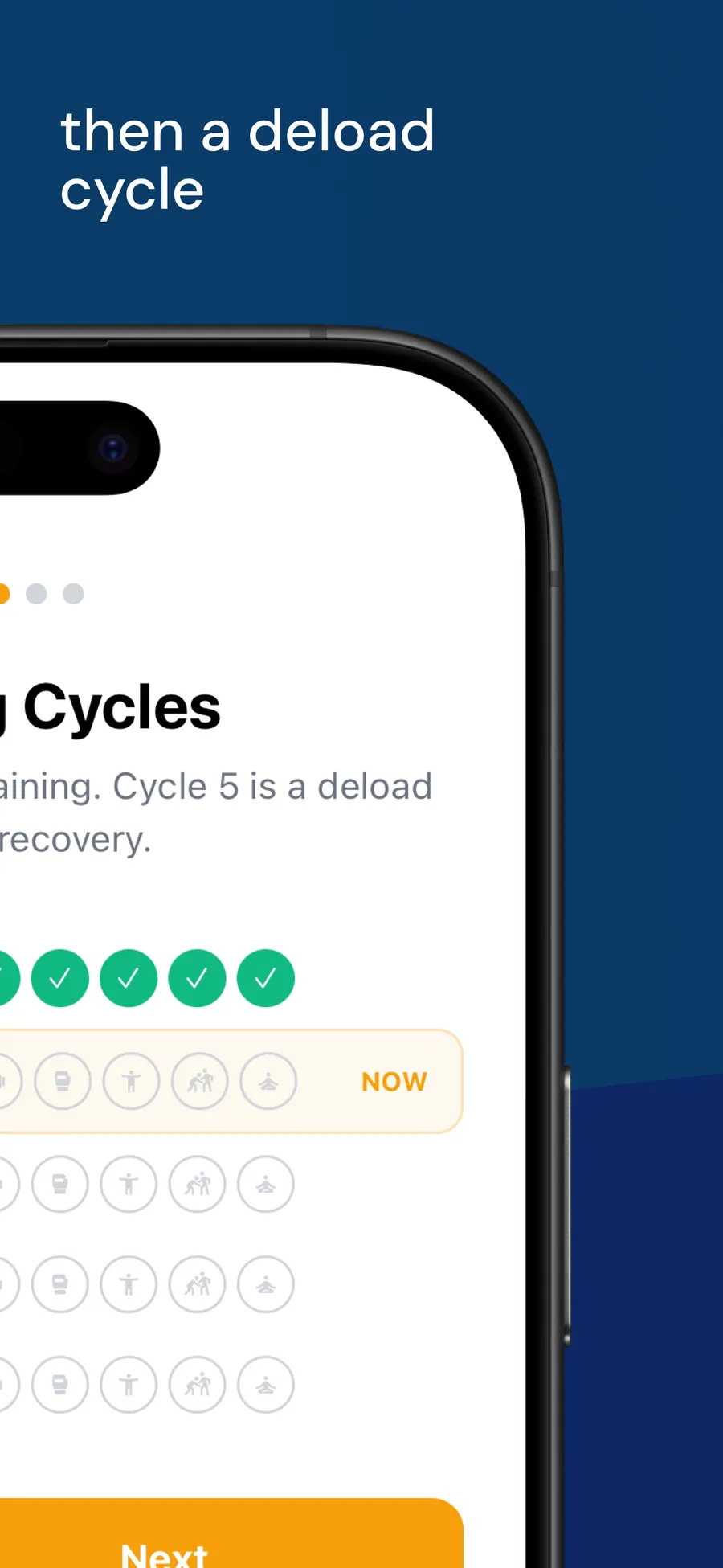
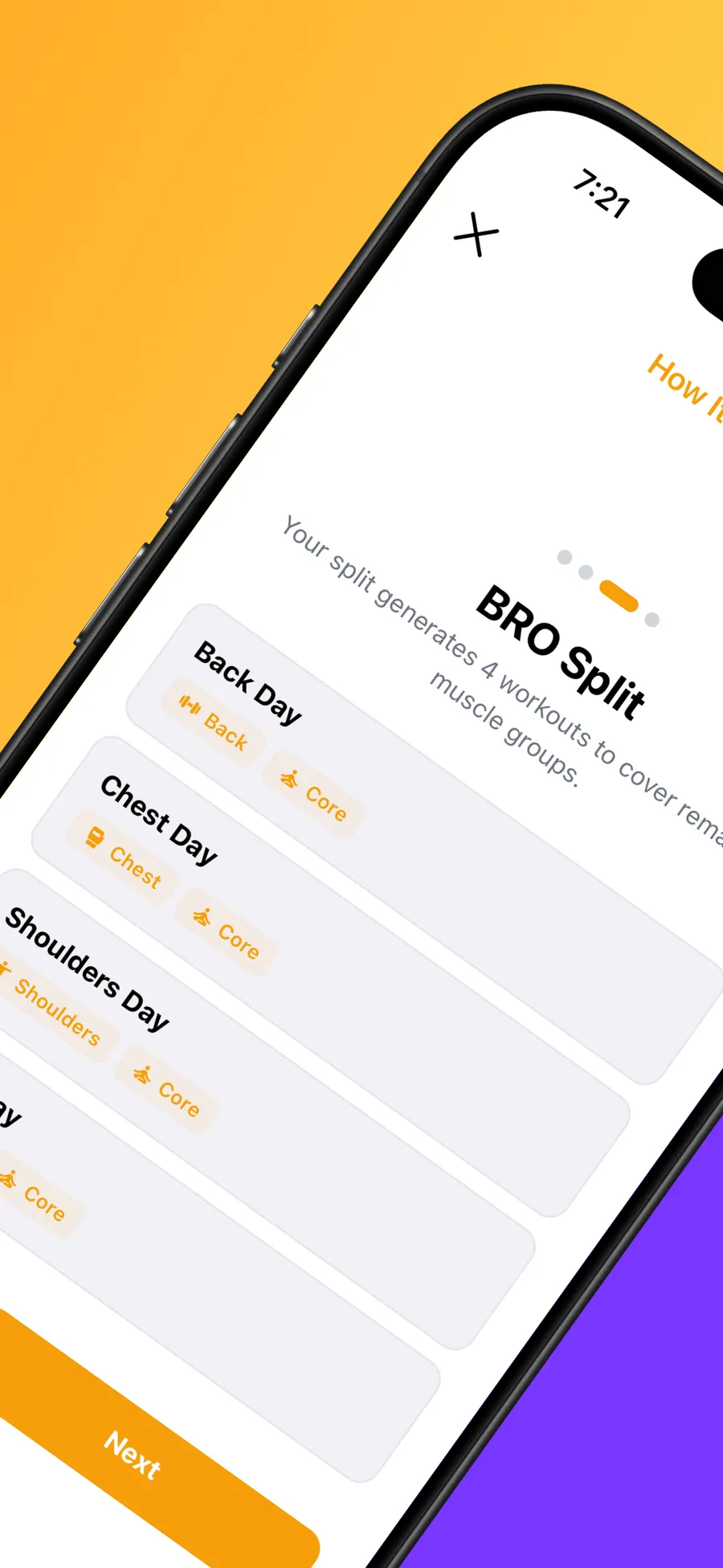
- Programmes premium avec surcharge progressive et deloads intégrés
Commencez en 3 étapes simples
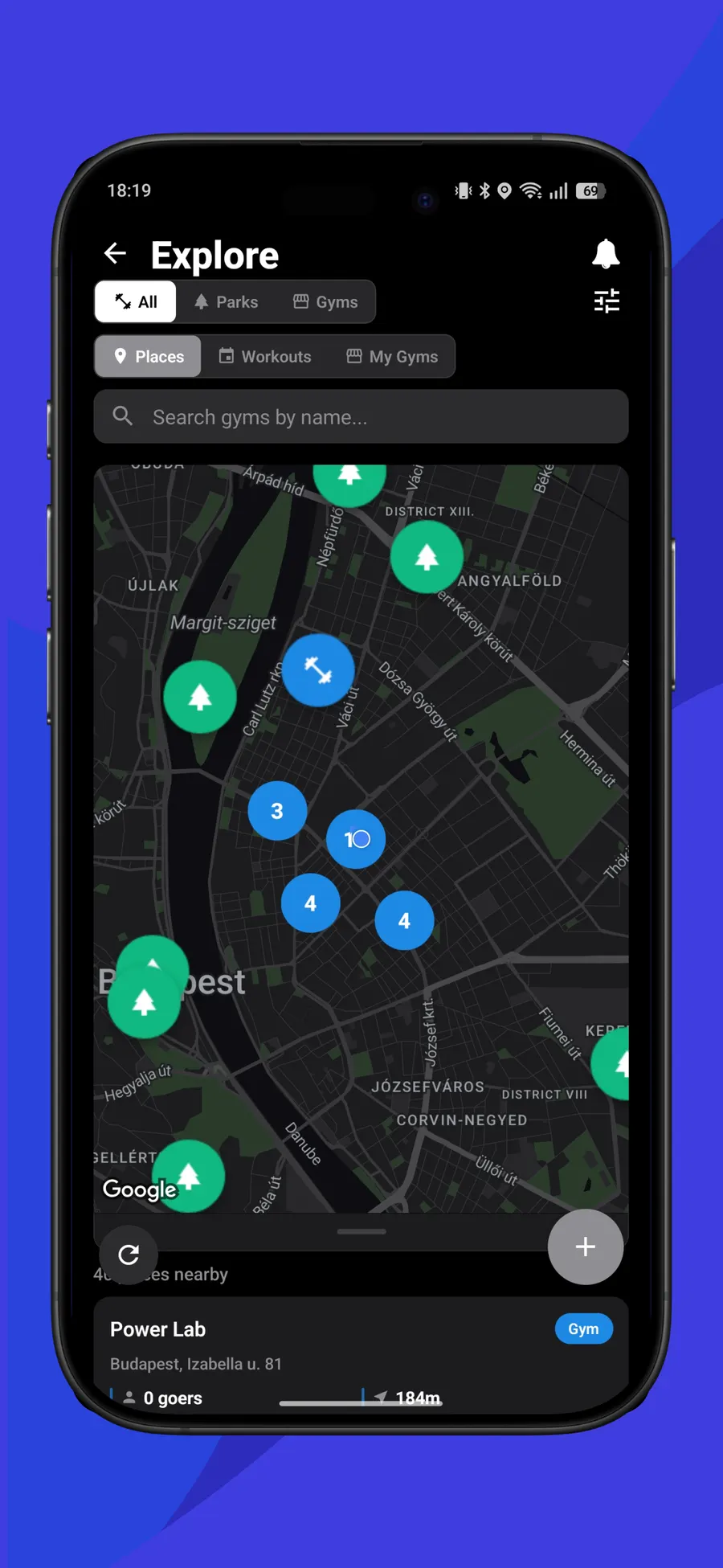
Créez une séance dans une salle de sport ou un parc
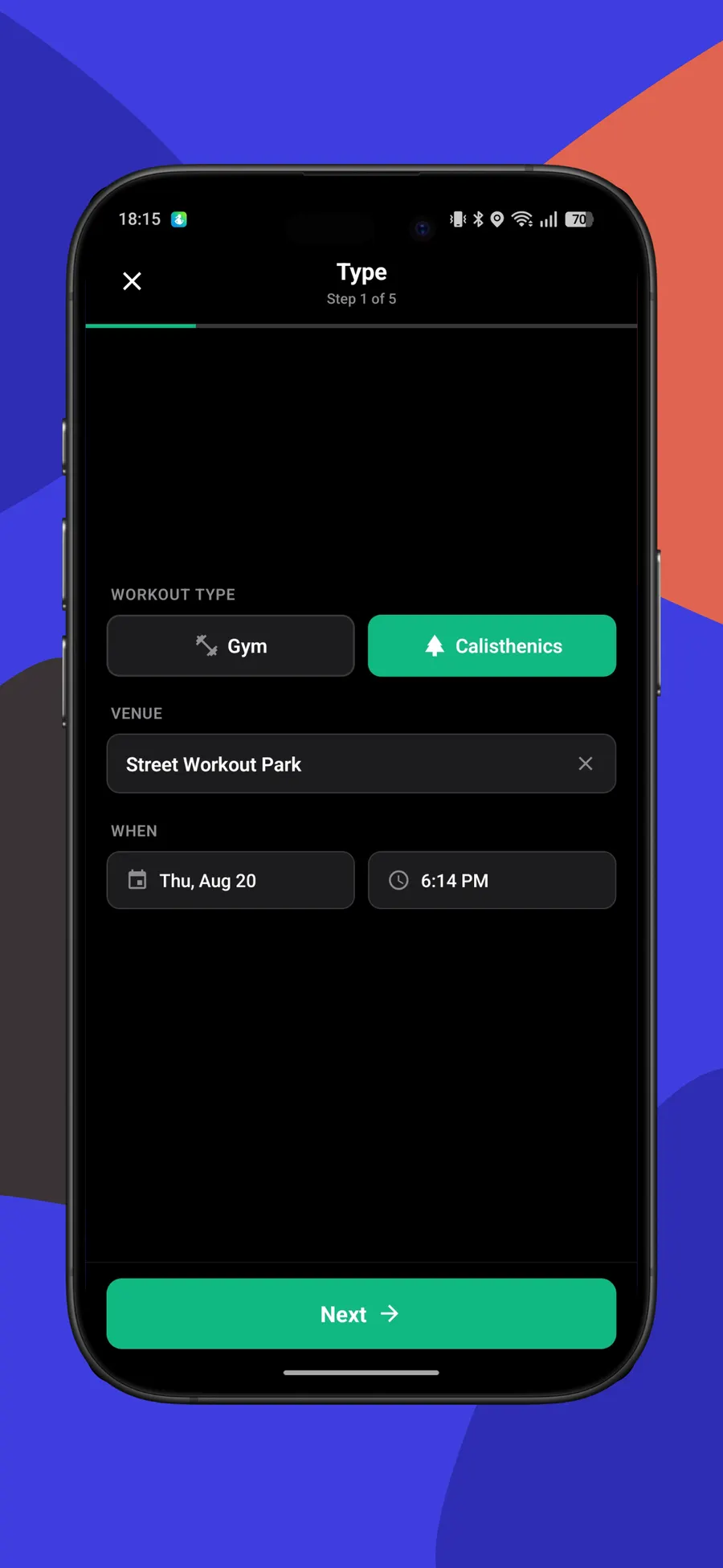
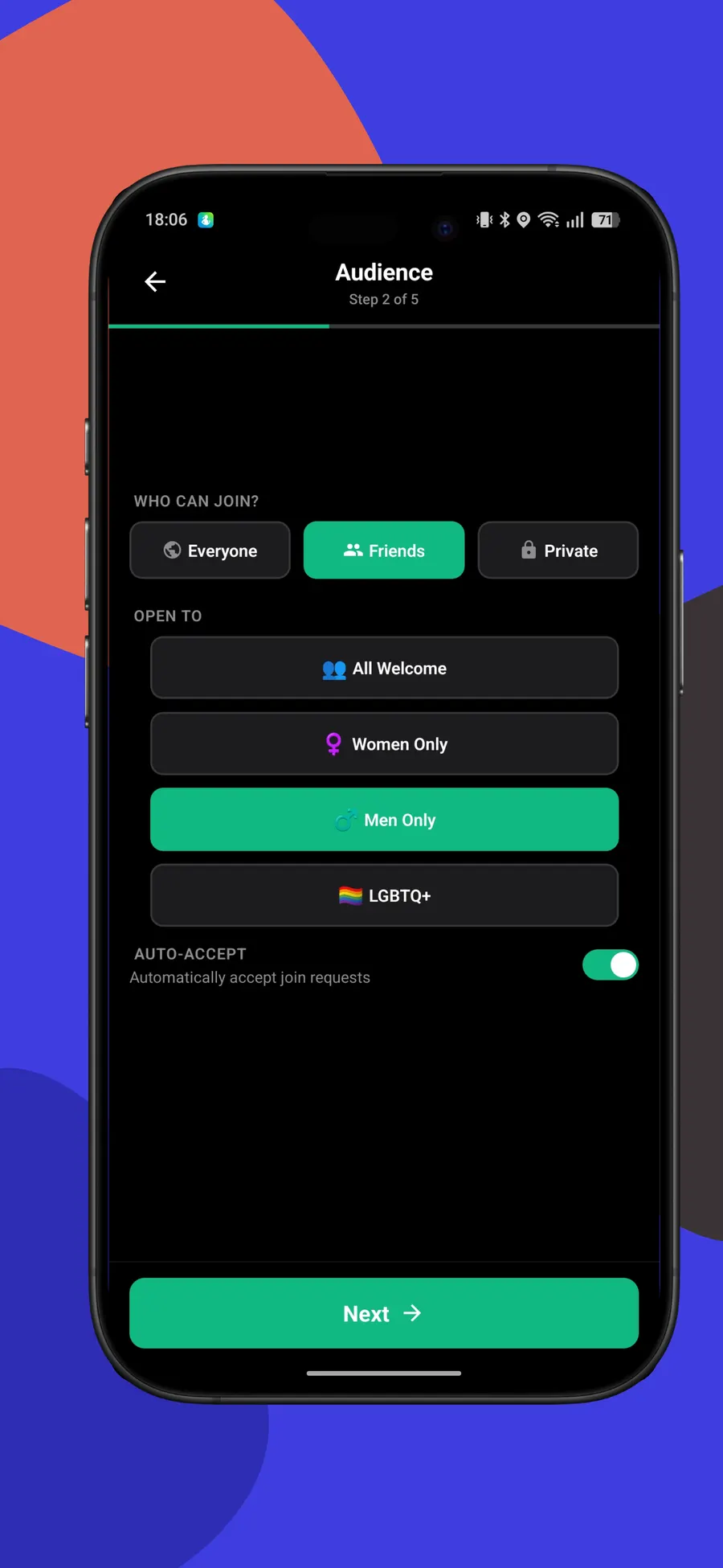
Choisissez précisément qui peut participer
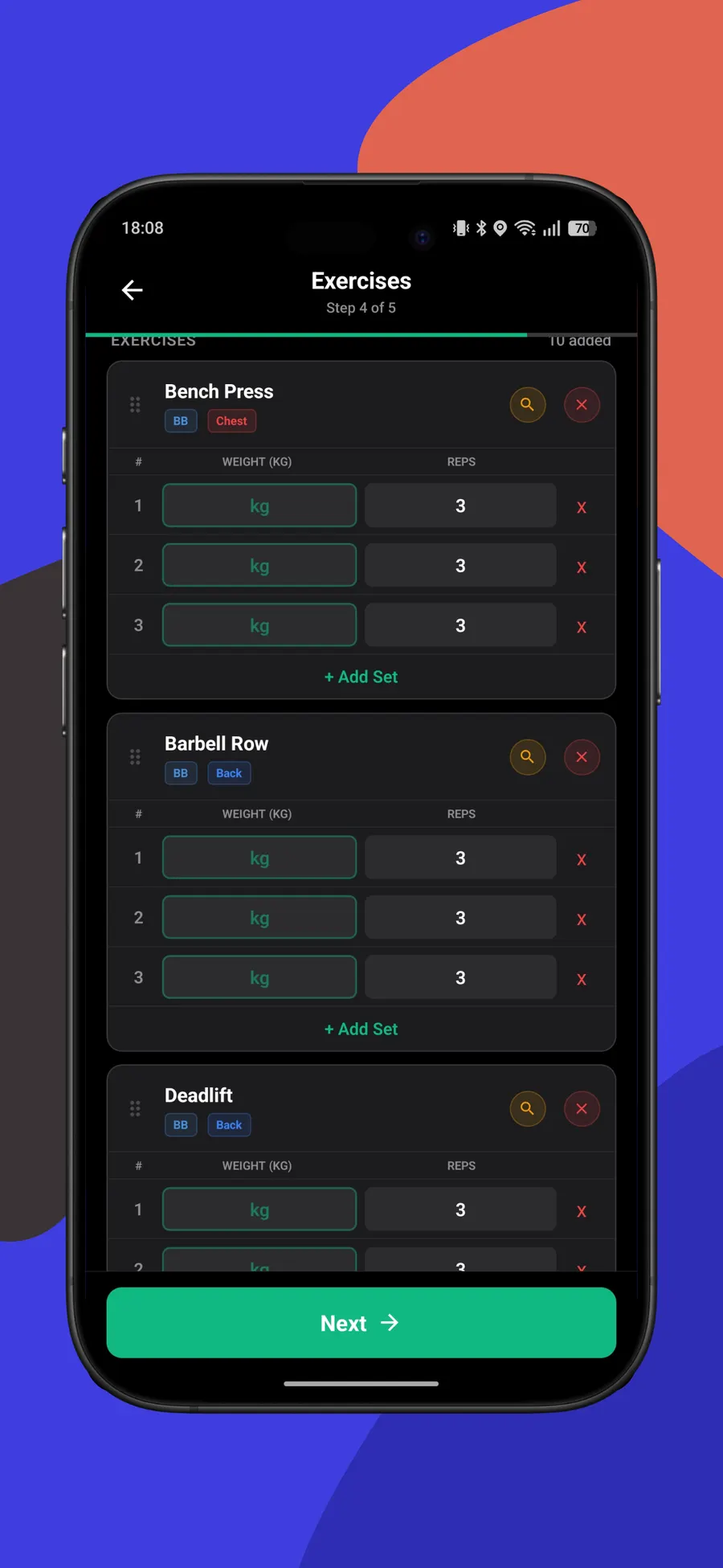
Définissez les exercices, les séries et les réps
Plus de Workout With Me
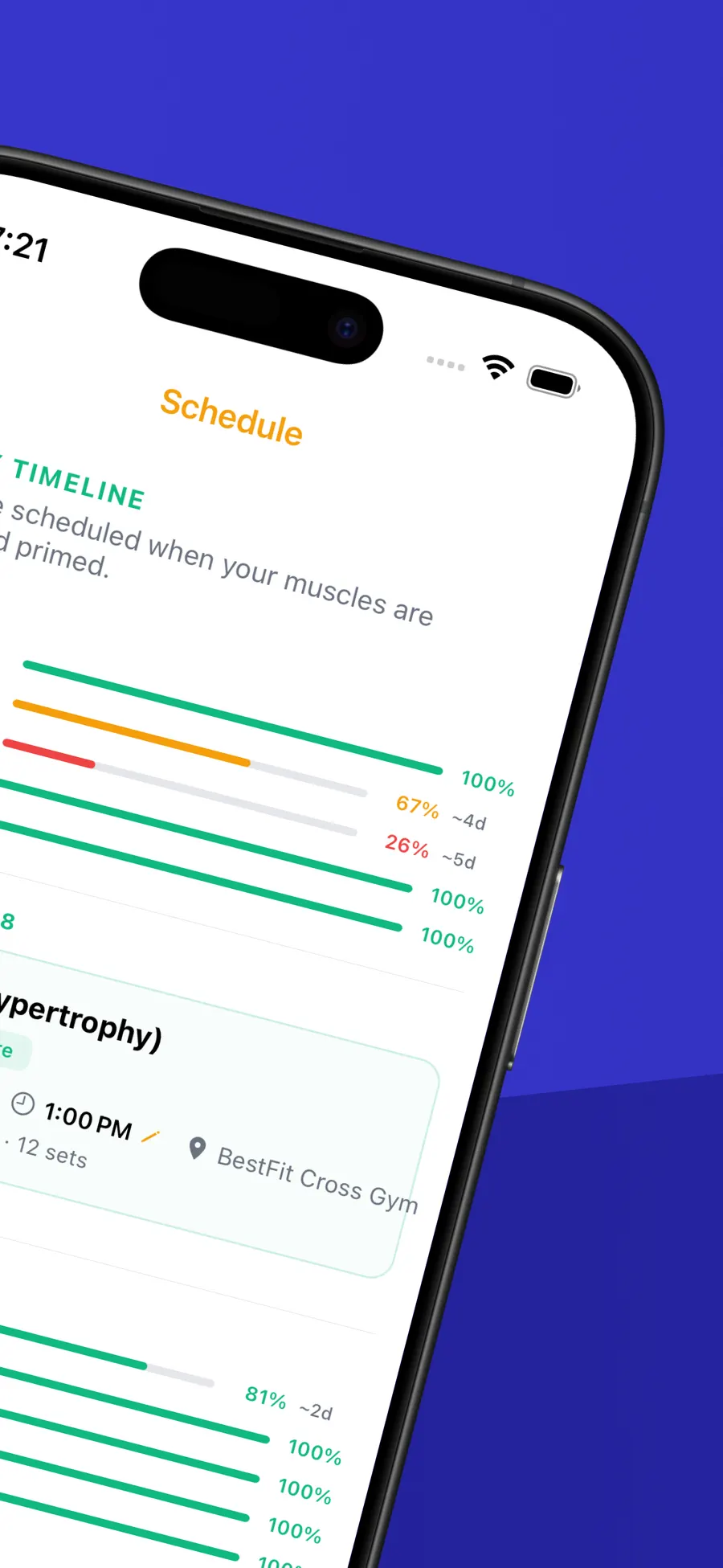
Un entraînement adapté à votre récupération
Le moteur S.H.A.R.P planifie chaque séance quand vos muscles sont vraiment prêts, et non selon un calendrier fixe.
Continuez à explorer Workout With Me
Points clés à retenir
- A hard-trained muscle group typically needs one to three days before it can be trained hard again.
- Different muscles recover at different speeds, so a single rest rule for the whole body is always wrong somewhere.
- How directly an exercise hit a muscle changes how long that muscle needs.
- Newer lifters generally need more recovery time than experienced ones, not less.
- Workout With Me tracks all of this per muscle and only schedules a group once it is 80% recovered.
Qu'est-ce qu'un Rest Between Workouts ?
The time a muscle group needs after training before it can productively be trained hard again. It varies by muscle, by how directly the exercise loaded that muscle, and by the lifter's training experience, which is why a fixed rest interval for the whole body suits nobody exactly.
The Short Answer. For most people, a muscle group trained hard needs somewhere between one and three days before it's ready for another hard session. Smaller muscles that do a lot of work anyway come back at the quick end. Big movers that took a heavy compound session sit at the slow end. Your lower back is usually the slowest thing in the building.
It Depends on the Muscle. Recovery is not one number for your whole body. Core and forearms turn around fast because they're built for repeated low-load work. Quads and glutes after a heavy squat session need considerably longer. This is why full-body-every-other-day and a five-day split can both be correct, just for different muscles.
It Depends on What You Did to It. A back squat and a walking lunge both hit your quads, but not to the same degree. A muscle that was the primary mover in a heavy compound needs meaningfully more time than one that was stabilising. Programming that treats both as "legs trained" is throwing away the distinction that matters.
It Depends on Your Training Age. Newer lifters need more rest, not less. Work capacity, technique efficiency and the sheer novelty of the stimulus all mean a beginner's session costs more to recover from than the same session does for someone five years in. Recovery gets faster as you get more trained, though the gains taper off.
Rest Days Are Not Days Off. The adaptation you're chasing happens during the rest, not during the set. A rest day is when the work you already did turns into something. Skipping it doesn't get you there faster, it just means the next session starts from a worse place than the last one did.
Or You Can Just Let the App Work It Out. Workout With Me starts a recovery clock on every muscle you train, sized to your experience level and to how hard that specific muscle got hit. It brings a muscle back into rotation once it's 80% recovered, and if nothing is ready it says so and tells you when to come back. You stop doing the arithmetic.
Le repos dont un muscle a besoin entre les séances dépend de sa taille, de l'intensité de sa charge et de votre expérience, c'est pourquoi un outil de suivi de la récupération musculaire ou un calculateur de temps de récupération fonctionne par groupe musculaire plutôt que sur un intervalle fixe.