September 26, 2026 · 9 min read
Gym Buddy vs Training Alone
We weigh the pros and cons of a gym buddy vs training alone to help you decide which setup builds more strength and consistency.

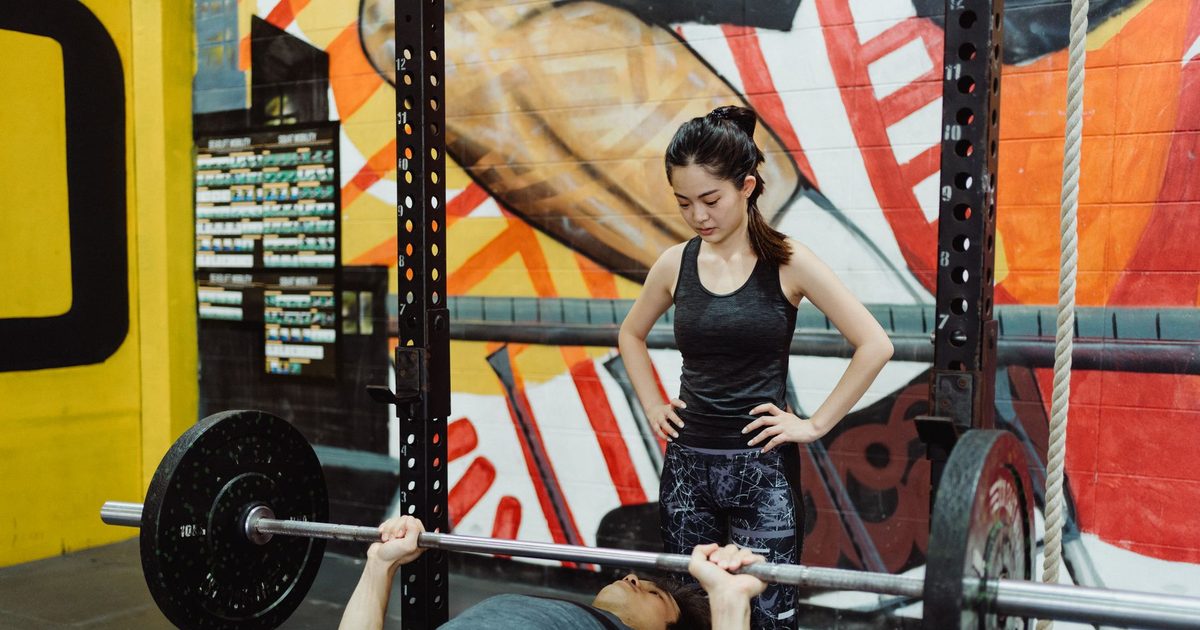
I am standing by the squat rack, staring at my watch. It is 6:12 AM, the gym is freezing, and my training partner is nowhere to be found. That cold, empty feeling of waiting around while your motivation slowly evaporates is something I have felt too many times.
When you train with someone else, you are entering a silent contract. If you want to build a true partnership, you have to understand the unwritten rules of gym buddy etiquette before you even think about loading a barbell. It is not just about showing up. It is about how you act when you are there. Let us break down the exact rules that separate the great partners from the ones who get quietly left on read.
There is a massive difference between canceling a workout and ghosting someone. If you text your partner at 5:50 AM to say you cannot make a 6:00 AM session, you did not give notice. You basically just stood them up. By the time they see your message, they have already crawled out of bed, drank their pre-workout, and driven through the dark. Now they are stuck training alone with a shot of caffeine pulsing through their veins and a healthy dose of resentment.
A good rule of thumb is the two-hour window. If you are training in the morning, the decision needs to be made the night before. If you are training after work, send that text by lunchtime. This gives your partner enough time to adjust their own schedule, find another partner, or change their workout plan entirely. The absolute worst thing you can do is stay silent and hope they do not mind. They do mind. Everyone has busy lives, and wasting someone else's time is the fastest way to lose a training partner forever. If something legitimate comes up, be honest and give as much warning as humanly possible.
Your phone is the ultimate workout killer. We all use our phones to track weights, log sets, or change the music, but there is a clear line between utility and distraction. When your partner is under a heavy barbell preparing for a personal record, they need you there. They do not need you looking down at a screen, scrolling through social media, or texting someone back. They need your eyes on them to ensure they do not get pinned by a heavy lift.
Imagine grinding through a tough rep, feeling your muscles give out, and looking up to see your partner laughing at a video. That is not just annoying, it is actually dangerous. When it is your partner's turn to lift, your phone should be face down or in your pocket. Your job is to spot, encourage, and keep them safe. Save the social media scrolling for the walk back to the locker room. If you really need to use your phone to log your workouts, do it quickly and put the screen away immediately. Keep the focus on the iron and the person you are training with.
We all love a good catch-up, and having a friend to talk to is one of the best parts of training. But you have to remember why you are at the gym in the first place. If you are trying to build strength or hypertrophy, your rest times actually matter. You cannot let a 90-second rest interval stretch into a ten-minute debate about sports or movies. Before you know it, your heart rate has dropped, your muscles have cooled down, and your one-hour workout has turned into a two-hour marathon.
Watch your partner's body language. If they are breathing heavily, staring at the bar, or putting their headphones back in, that is your cue to quiet down. They are mentally preparing for the next set, and your story about your weekend plans can wait. Keep the deep conversations for the post-workout meal or the drive home. During the session, keep the talk focused on the training, the weights, and how the last set felt. You will both get a much better workout, and you will actually leave the gym on time.
Nothing ruins the flow of a shared workout faster than laziness. If you are sharing a barbell or a plate-loaded machine, loading and unloading the weights is a shared responsibility. Do not just stand there and watch your partner strip three plates off a barbell by themselves. Even if they are much stronger than you and lifting twice your weight, you should still be helping them load and unload the bar. It is a simple sign of respect and teamwork.
This also applies to resetting the equipment. If you use a different seat height on a machine, adjust it back or help them set it to their preference. If you use chalk, wipe down the bar when you are done so they do not have to grab a slippery grip. (And believe me, nobody wants to lift on a bench that looks like a slip-and-slide.) These small acts of gym maintenance keep the momentum high and show that you actually care about their training experience as much as your own. It is a quick handshake of mutual support that keeps the workout moving smoothly.
Unless your partner explicitly asks you for form advice, keep your critiques to yourself. It is easy to fall into the trap of over-correcting every minor detail of their squat or bench press. But it turns out that most people actually hate being micro-managed during a hard set. Just focus on keeping them safe, giving a clean hand-off, and stepping in only when the bar stops moving.
Sharing a workout is not a competition unless you both explicitly agree to make it one. If your partner is lifting lighter weights than you, do not make comments that make them feel small. On the flip side, if they are lifting heavier, do not try to match their weight just to save face and end up hurting yourself. Ego lifting ruins partnerships because it forces one person to constantly accommodate the other's pride. Accept where you are both at in your fitness journeys. Focus on your own progressive overload, support their wins, and keep the environment positive.
Consistency is the bedrock of any successful training partnership. If you agree to train three days a week at 6:30 PM, then make sure you are there three days a week at 6:30 PM. Constantly changing the time, asking to reschedule, or skipping sessions because you are "just not feeling it" destroys the momentum. Your partner is relying on you to keep them accountable, and when you slack off, you make it harder for them to stay consistent too. If you find that the schedule is too demanding, have an honest conversation and adjust the plan. It is much better to commit to two days a week and actually show up than to promise five days and constantly flake.
If you are looking for a reliable partner who respects your time and your training goals, finding the right person is key. With Workout With Me, you can find local fitness partners, coordinate your schedules, and track your workouts together. Give it a try, keep these rules in mind, and let us build some real consistency together.
September 26, 2026 · 9 min read
We weigh the pros and cons of a gym buddy vs training alone to help you decide which setup builds more strength and consistency.
August 29, 2026 · 8 min read
Struggling to choose between a gym buddy vs personal trainer? Here is my honest, verdict-first guide to which option fits your budget and goals.
August 3, 2026 · 8 min read
Learning how to be a good gym buddy is key to a lasting partnership. Discover practical tips on consistency, spotting, communication, and matching intensity to boost.