October 8, 2026 · 7 min read
How to Apply Progressive Overload
Learn how to apply progressive overload to your workouts safely and effectively for consistent, long-term strength gains without hitting plateaus.
August 7, 2026 · 10 min read
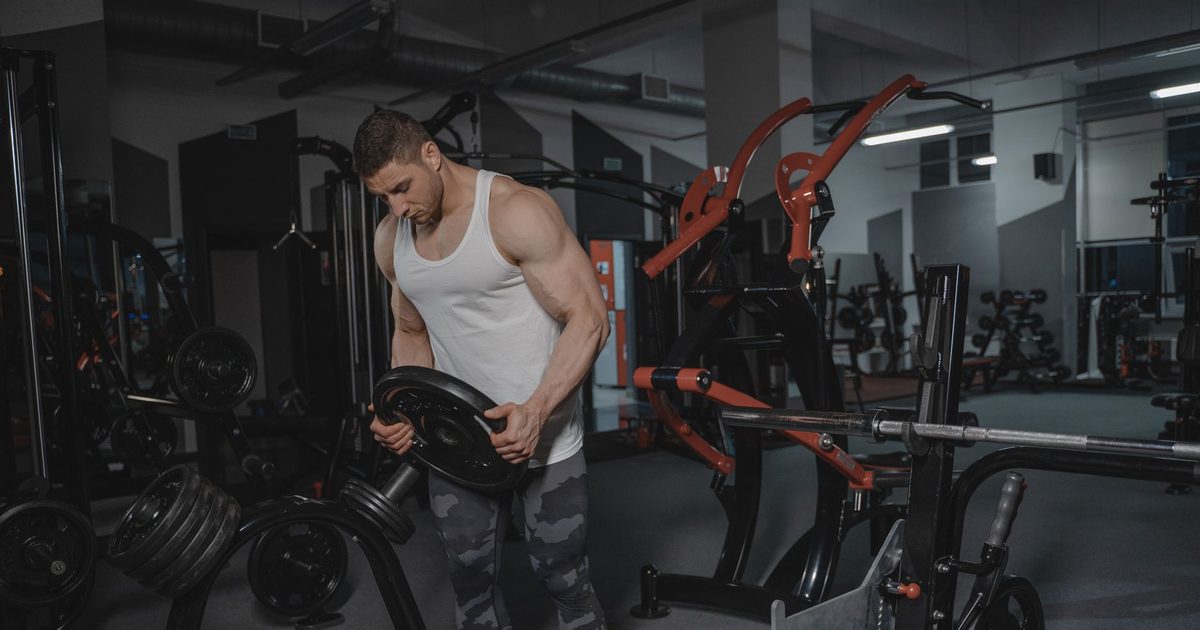
You're at the gym, looking at all the machines and free weights. You hear people talking about "compound" and "isolation" exercises. What are they, and which should you actually be doing? It's a quiet question a lot of us ask when we're starting out, and honestly, the answer is simpler than you might think, especially for beginners.
Let's start with compound exercises because, for most people, especially when you're just getting started, they're the absolute foundation of effective strength training. What exactly is a compound exercise? It's pretty straightforward: it's any movement that involves more than one joint moving at the same time and, as a result, works multiple muscle groups simultaneously. Think of it like this: when you squat, your hips, knees, and ankles are all bending and extending. That's three joints moving. And because of that, you're hitting your quads, hamstrings, glutes, core, and even your back muscles to stabilize. It's a full-body effort, even if you're primarily thinking about your legs.
These are your big, fundamental movements. The ones you see people doing with heavy weights, but also the ones you can do with just your bodyweight to start. We're talking about squats, deadlifts, bench presses, overhead presses, and rows. These are the kings and queens of the gym floor. Why are they so good? Well, for one, they're incredibly efficient. You're getting a lot of bang for your buck, working a bunch of muscles in one go. This means shorter, more productive workouts. For a beginner, that's huge. You don't need to spend hours in the gym to make real progress. Just a few well-chosen compound movements can deliver amazing results.
They also build what I like to call "functional strength." This is strength you can actually use in your everyday life. Lifting a box, carrying groceries, playing with your kids, climbing stairs, these are all compound movements. Training them in the gym makes you stronger and more resilient for life outside the gym. Plus, because you're using more muscle mass, you're burning more calories both during and after your workout. And let's not forget the hormonal response; compound lifts, especially those heavy ones, tend to trigger a greater release of growth-promoting hormones, which is great for building muscle and getting stronger overall. They also teach your body to work as a unit, improving coordination and stability, which are vital skills, inside and outside of the gym. You'll learn how to brace your core, how to move under load, and how to maintain proper form, all transferable skills.
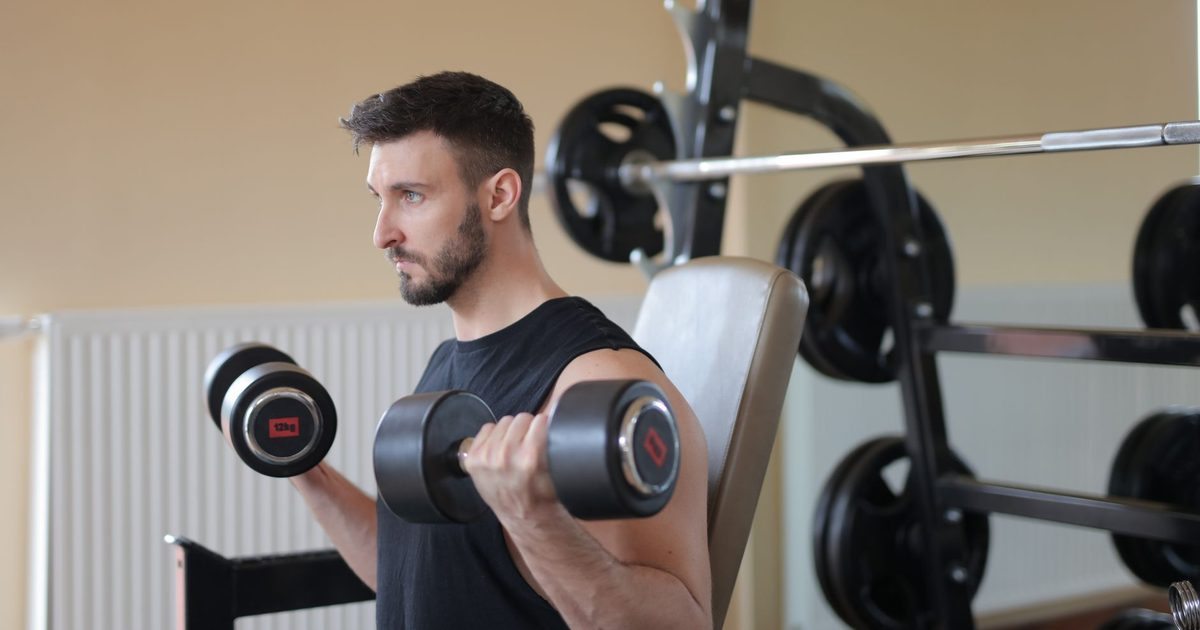
Now, let's talk about isolation exercises. As the name suggests, these movements are designed to isolate, or focus on, a single muscle group by typically involving only one joint. If a compound exercise is a symphony orchestra, an isolation exercise is a virtuoso solo. When you do a bicep curl, for example, primarily only your elbow joint is bending, and the main muscle working is your bicep. Same goes for a tricep extension, a leg extension, a leg curl, or a lateral raise for your shoulders. These are movements where you really feel that specific muscle burn.
Their role in a training program is different from compounds. For a beginner, they're generally not where you want to start. You want to build your foundation first. But once you have that foundation, isolation exercises absolutely earn their place. They're fantastic for really honing in on a specific muscle if it's lagging behind, or if you have a particular goal like bodybuilding where you want to maximize the size and shape of individual muscles. They can help correct muscle imbalances, too. If one side of your body or one specific muscle is weaker than others, isolation work can help bring it up to speed.
Another use case is what we call "pre-exhaustion" or "post-exhaustion." With pre-exhaustion, you'd do an isolation exercise for a muscle group (like leg extensions for quads) before a compound exercise (like squats). The idea is to fatigue the target muscle so it's the limiting factor in the compound lift, rather than other assisting muscles. Post-exhaustion is the opposite: you do your compounds first, then hit the fatigued muscle with an isolation movement to really finish it off. For beginners, I wouldn't worry about these advanced techniques just yet, but it's good to know their potential.
To make this super clear, here's a breakdown of the key differences:
| Feature | Compound Exercises | Isolation Exercises |
|---|---|---|
| Joints Involved | Multiple (e.g., hips, knees, ankles in a squat) | Single (e.g., elbow in a bicep curl) |
| Muscles Worked | Multiple muscle groups simultaneously | Primarily one specific muscle group |
| Energy Expenditure | High, burns more calories | Lower, burns fewer calories |
| Load Potential | Can lift heavier weights | Typically lighter weights |
| Skill Required | Higher, requires more coordination and practice | Lower, simpler movement pattern |
| Time Efficiency | Very efficient, effective for full-body workouts | Less efficient for overall muscle growth |
| Functional Strength | Excellent, mimics real-life movements | Limited, less direct transfer to daily activities |
| Hypertrophy Focus | Good for overall muscle growth, foundational strength | Excellent for specific muscle shaping and growth |
If you're new to the gym, my advice is simple: focus overwhelmingly on compound movements. Seriously, make them the core of your training. Why? Because they give you the biggest bang for your buck in terms of strength, muscle growth, and overall fitness. When you're just starting, you need to build a strong, capable foundation. Compound lifts do exactly that. They teach your body how to move efficiently, how to handle weight, and how to coordinate multiple muscles. This foundational strength will serve you well no matter what your long-term goals are.
Think about it: learning to squat properly will build strong legs and a solid core. Learning to deadlift correctly will strengthen your entire posterior chain, your back, glutes, hamstrings, which is crucial for posture and preventing injuries. Mastering the bench press will build a powerful chest, shoulders, and triceps. These are full-body movements that demand a lot from your body, which translates into significant adaptations and faster progress early on. You'll get stronger quicker, and you'll see visible changes in your physique faster than if you just chased a bicep pump.
Another reason for compounds first is efficiency. You don't have unlimited time in the gym. If you can hit your quads, hamstrings, glutes, and core all in one go with squats, why would you spend separate time on leg extensions, leg curls, and glute kickbacks if you're just starting out? Get good at the big lifts, add weight progressively, and watch your strength skyrocket. It's a more sustainable and less overwhelming approach when you're just building that habit.
So, does that mean isolation exercises are useless? Absolutely not! They just have a different role, and for beginners, that role usually comes later. Once you've built a solid base of strength with compound movements, that's when you can start to strategically incorporate isolations.
One common reason is to target a lagging muscle group. Maybe your chest is growing great from bench presses, but your triceps just aren't keeping up. Adding some tricep extensions can help bring them up to par. Or perhaps you want to really emphasize your lateral deltoids for that broader shoulder look; lateral raises are perfect for that. For specific aesthetic goals, isolation movements are invaluable. They allow you to sculpt and refine muscles in a way compounds alone can't quite achieve.
They can also be useful for rehabilitation or working around an injury, though this is something you'd always do under the guidance of a professional. If a compound movement aggravates an old injury, an isolation exercise might allow you to still train the muscle without putting stress on the problematic joint or area. But again, this is usually a more advanced, specific application.
I've also seen people use isolation exercises as a warm-up, doing a few light sets to activate a muscle before a heavy compound lift, or as a finisher at the end of a workout to really get a good pump in a specific muscle, which can feel satisfying, I'll admit.
When it comes to compound vs isolation exercises, there are a few common pitfalls I see people fall into, especially beginners.
First, and probably the biggest one, is doing too much isolation too soon. I get it, everyone wants big biceps and defined abs. But if you're spending all your time on curls, crunches, and machine work while neglecting squats, deadlifts, and presses, you're building a house on sand. You won't develop the foundational strength, coordination, and overall muscle mass that compounds provide. You'll also likely hit plateaus much faster.
Another mistake is sacrificing form on compounds to lift heavy. Just because you can lift a certain weight doesn't mean you should, especially if your form breaks down. Bad form on a compound lift is a fast track to injury and won't actually build the muscle and strength you're after. Always prioritize perfect form, even if it means lifting lighter. The weight will come.
Then there's ignoring compounds for the "pump" from isolations. A bicep curl feels great, you get that immediate muscle engorgement, that satisfying pump. It's an ego boost. But that pump doesn't equal overall strength or long-term growth. Compounds might not give you the same immediate sensation, but they're doing far more for your body in the grand scheme of things. Don't chase the pump at the expense of real progress.
Finally, not understanding recovery is another issue. Compound exercises are more taxing on your central nervous system because they involve so many muscles and joints. You can't just hit heavy squats every single day. Isolation exercises, being less demanding, might allow for more frequent training of that specific muscle, but it's all part of a larger recovery picture. Your body needs time to adapt and grow, and the Workout With Me app actually tracks per-muscle cooldowns, so you know exactly when each muscle group is recovered and ready to be hit again. It's pretty wild how much it helps you plan.
So, what's the takeaway? For beginners, your focus should be on mastering compound movements. Start light, learn perfect form, and progressively add weight over time. This is how you build a strong, functional, and aesthetically pleasing physique efficiently. Once you've got a good base, say after a few months of consistent training, then you can start sprinkling in some isolation exercises to fine-tune your physique or address specific weaknesses.
Don't overcomplicate it. A good training plan will always have a strong emphasis on compounds, with isolations playing a supporting role. If you're looking for more guidance on your overall strength training journey, there are tons of resources available to help you build that foundation. And if you're keen on finding partners to tackle those big lifts with, or want an app that helps auto-generate progressive overload training plans and tracks your recovery, Workout With Me is built for exactly that. It's super helpful for making sure you're hitting those muscles when they're ready, not before.
October 8, 2026 · 7 min read
Learn how to apply progressive overload to your workouts safely and effectively for consistent, long-term strength gains without hitting plateaus.
September 7, 2026 · 9 min read
Stuck on the same bench press or squat weight? Learn how to break a training plateau with practical, floor-level adjustments to your routine.
August 19, 2026 · 6 min read
An honest comparison of light weights vs heavy weights to help you decide which rep ranges and loads actually build real muscle.