October 11, 2026 · 8 min read
Training After a Break: Return Smart
Learn how to safely handle training after a break without brutal soreness or setbacks. Step back into your workout routine with confidence.
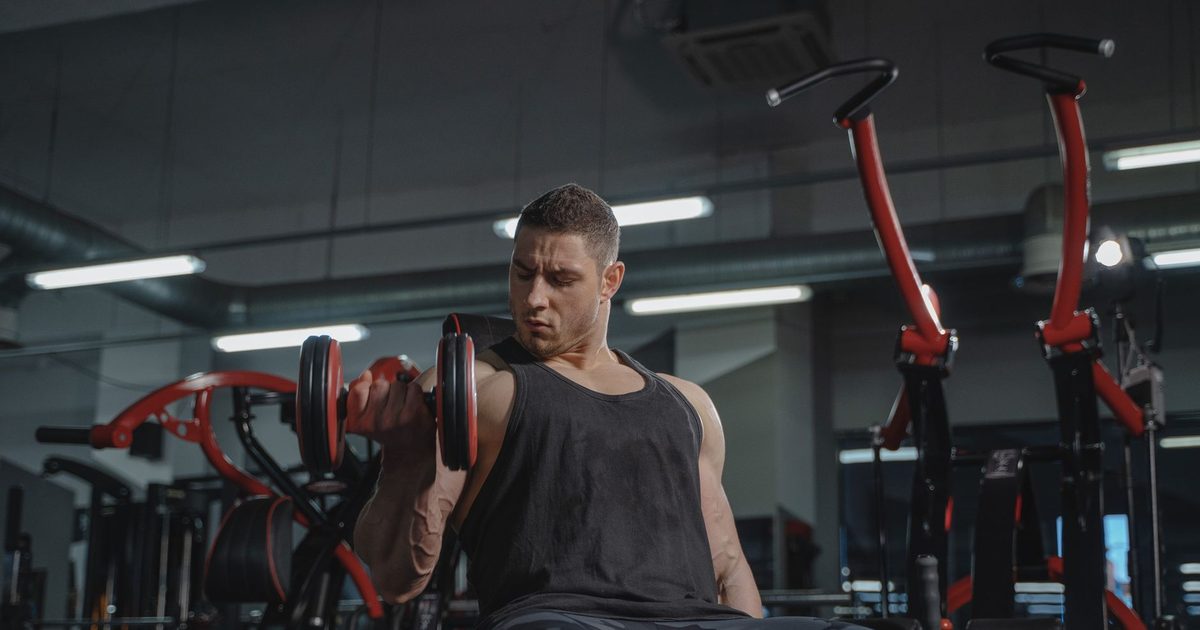
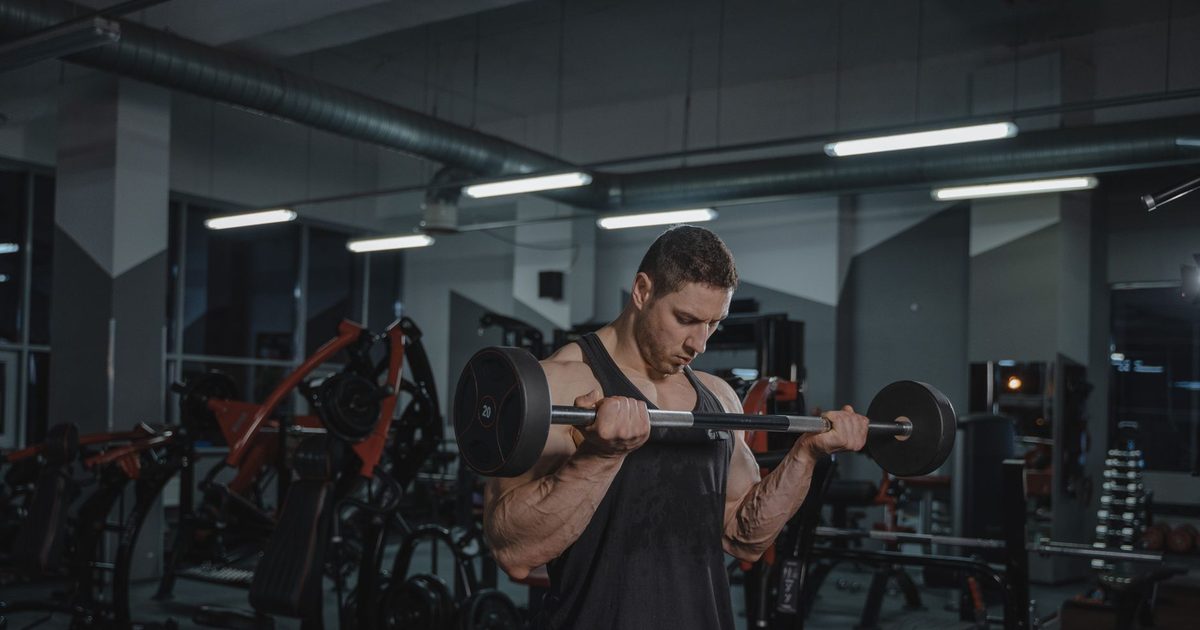
Do you ever feel like if you're not super sore after a workout, you didn't really do anything? It's a common thought, but I'm here to tell you that mindset might actually be holding you back. Understanding why soreness is not a good indicator of a great workout is crucial for long-term progress. We've all been there, chasing that post-workout ache, thinking it's the ultimate sign of gains. But what if I told you that the pain isn't always telling you the full story? What if you could train effectively, build muscle, and get stronger without constantly feeling like you've been hit by a truck? That's what true recovery-based training is all about.
Let's talk about Delayed Onset Muscle Soreness, or DOMS. It's that ache you feel a day or two after an intense or new workout. It's not lactic acid, despite what you might have heard. What's actually happening is that your muscles have experienced microscopic tears in their fibers. Your body responds with an inflammatory process as it rushes to repair and rebuild those fibers stronger than before. That's the core of how muscles grow, right? They break down a little, then they repair and adapt. So, while DOMS is a sign that your muscles have been challenged, it's not the only sign, and it's definitely not a direct measure of how effective your workout was. Think of it as a side effect, not the main event.
This is where we need to bust a big myth. People often chase soreness. They feel like if they're not walking funny after leg day, they didn't push hard enough. But here's the thing: soreness is primarily a response to novelty or extreme intensity. When you start a new exercise, or drastically increase volume or load, your body isn't used to it. It reacts with more DOMS. As your body adapts to a training stimulus, you'll find that you get less and less sore from the same workout, even if you're still progressing. Does that mean the workout suddenly became ineffective? Absolutely not! It means your body is getting more efficient. If you're constantly changing your routine just to feel sore, you're missing out on the power of consistent progressive overload. You're essentially preventing your body from adapting and getting stronger because you're always shocking it. It's like trying to learn a new language by constantly switching between five different ones. You'll make some progress, sure, but it won't be efficient.
It's a tricky balance to strike. Many people, even experienced lifters, often get it wrong by chasing the wrong indicators.
Sometimes, extreme soreness can even be counterproductive. It can hamper your next session, making you move less, or even put you at a higher risk of injury if you try to push through it. Your muscles need time to recover, and if you're constantly breaking them down to the point of incapacitating soreness, you're just delaying your next quality training session.
So, if soreness isn't the best indicator, what is? It comes down to a few key principles: progressive overload, consistency, proper nutrition, and adequate rest. Progressive overload means you're gradually increasing the demand on your muscles over time. That could be lifting heavier weight, doing more reps, increasing sets, or even improving your form. Consistency means showing up and putting in the work regularly. You can't just hit it hard once a month and expect results. Nutrition fuels the repair and growth process. And rest? That's when the magic happens. Your muscles don't grow in the gym; they grow when you're recovering from the gym. Ignoring this is like trying to build a house without letting the cement dry. It's just not going to work.
It's not just that soreness isn't always a good sign; sometimes it's a genuinely bad one. If you're experiencing pain that feels sharp, localized, or persists for more than a few days, that's not just DOMS. That could be an injury, and you need to pay attention to it. Pushing through actual injury pain is a surefire way to sideline yourself for weeks or months. Also, if you're constantly training to the point of extreme, debilitating soreness, you might be overtraining. Overtraining can lead to plateaus, decreased performance, fatigue, and even hormonal imbalances. Your body is trying to tell you something, and it's not "great job, do it again tomorrow!" It's "hey, I need a break."
This is the million-dollar question, isn't it? How do you know when your muscles are actually ready for their next challenge? It's not just about how you feel, though listening to your body is important. It's about objective recovery. Are you experiencing full range of motion without discomfort? Has the tenderness subsided? Are you feeling energized and ready to perform, rather than sluggish? These are better indicators than simply waiting for all soreness to vanish.
This is exactly why recovery-based training is so powerful. It shifts your focus from subjective feelings of soreness to objective measures of readiness. For example, in Workout With Me, we've built a pretty cool recovery tracking system. It uses a color-coded body map to show you how recovered each of your muscle groups is. You can see which muscles are CRUSHED, which are IN RECOVERY, and which are RECOVERED, complete with a percentage and the estimated time left. It's not just a guess; it's an engine that understands how hard you hit each muscle, and it adjusts recovery windows based on your training experience and how directly an exercise targeted a specific muscle. You can even tap muscles on the map to "Mark crushed muscles" if you got sore from something the app didn't track, like a sports match or a class, and the engine will factor that into your recovery.
This is where your entire training week gets a serious upgrade. Instead of sticking rigidly to a "Monday is chest day, Tuesday is back day" split, you start to train when your body, and specifically your muscles, are genuinely ready. It doesn't mean you never hit a muscle group hard; it means you hit it hard, let it recover, and then hit it again. This approach optimizes for continuous progress, not just adherence to an arbitrary schedule.
Workout With Me's S.H.A.R.P. plans are designed with this in mind. They don't schedule your next session for a muscle group until it's at least 80% recovered. That's a huge difference. Imagine knowing for sure that when you go into your next workout, your muscles aren't just 'not sore', but truly ready to perform and adapt. This means you'll be able to maintain higher intensity, better form, and ultimately, make faster gains. A training cycle in the app completes when all six major muscle categories have been trained and recovered, however long that takes. It's not a fixed number of weeks; it's about your body's actual needs. This personalized approach to scheduling takes the guesswork out of recovery and lets you maximize every single session.
It's easy to fall into traps when you're not prioritizing recovery. One big one is constantly seeking out new, complex, or extremely high-volume exercises just to get that "soreness hit." While variety can be good, consistency with proven movements and progressive overload is usually better for long-term growth. Another mistake is pushing through genuine pain, mistaking it for "good" soreness. Always differentiate between muscle fatigue/DOMS and actual joint or sharp muscular pain. If it feels wrong, stop. Period. Lastly, neglecting other recovery pillars like sleep and nutrition while solely focusing on your workout intensity is a huge oversight. You can't out-train a bad diet or poor sleep. These are all part of the recovery equation that directly impacts when your muscles are truly ready for their next challenge.
When you switch from chasing soreness to respecting recovery, you'll notice a massive difference. Your workouts become more productive. You'll hit new personal bests more consistently. You'll feel less fatigued overall. You'll enjoy training more because you're not constantly battling an uphill struggle against tired, unprepared muscles. It's about working with your body, not against it. This shift in perspective is what separates sustainable, long-term progress from cycles of intense effort followed by burnout and injury. You're building a stronger, more resilient body, not just a sore one.
So, next time you finish a workout, don't just ask yourself, "Am I sore?" Instead, ask, "Did I challenge my muscles effectively, and are they set up for optimal recovery?" That's the real path to getting stronger and building the physique you want. If you're ready to train smarter and truly understand your body's recovery needs, check out Workout With Me. It's designed to help you do just that.
October 11, 2026 · 8 min read
Learn how to safely handle training after a break without brutal soreness or setbacks. Step back into your workout routine with confidence.
October 4, 2026 · 6 min read
Still hunting for the perfect workout program? There isn't one, because recovery decides what any program does to you. Here's why systems fail here.
September 18, 2026 · 6 min read
Alpha Progression vs Workout With Me: one nails progressive overload but has no recovery model at all. Here's my honest comparison of the two approaches.